
Managing people is one of the most complex aspects of running a business. Human resource management becomes even more challenging in a country like Australia, where compliance, fair pay, and work-life balance are crucial. The guide explores the HR software fundamentals, how it works, and the challenges HR teams encounter. Get to know why businesses, regardless of their size, are investing in HR software and how to manage your HR department effortlessly.
Table of Content
What is HR Software?
HR or Human Resources software is any software designed to maintain employee information and automate HR-related tasks. From recruitment to retirement, the software has the ability to assist HR teams throughout the employee lifecycle. For Aussie businesses, HR software incorporates several modules like onboarding, time-off, work hours tracking, performance evaluation, claims reimbursement, and more.
A typical HR software comprises
- Recruitment and applicant tracking
- Employee database management
- Leave and attendance tracking
- Compliance with employment standards
- Payroll processing and payslip generation
- Learning and development tools
How HR Software Works?
HR software is mostly cloud-based, digitising traditional HR-related tasks in a centralised platform. Most HR software in Australia follows a modular approach, allowing businesses to select only the features they need. Here’s how it typically works:
- Document Management: Employee data, like personal details, work contracts, performance reviews, and policy documents, is stored digitally.
- Employee Self-Service (ESS): Employees can log in to apply for leave, download payslips, update personal details, check clock-in/out times, and adjust attendance data with HR’s approval (if in case of discrepancies —all through a web or mobile app).
- Leave & Attendance Management: Tracks work hours, approvals, and holiday entitlements according to Australian standards. Employers or HR departments can access the data and other employee details in real time from wherever they are.
- Payroll & Compliance: The software calculates employee wages, taxes, superannuation, and processes pay runs. It helps businesses to stay compliant with the ATO’s STP requirements and Fair Work rules.
- Integration: HR software integration with other modules helps to handle end-to-end business operations from one platform.
Why Businesses Need HR Software?
Manual HR processes are prone to errors, delays, and compliance risks. Whether you’re a startup or an enterprise, automating HR tasks gives you more time to focus on strategy and growth.
Here’s why Australian businesses need HR software:
Regulatory Compliance
Australia’s labour laws, such as the Fair Work Act, are detailed and frequently updated. HR software helps businesses stay compliant by automating award interpretations, overtime calculations, and tax submissions.
Time and Cost Savings
Automating tasks like onboarding, attendance tracking, and payroll reduces manual effort and administrative costs.
Employee Empowerment
With self-service portals, employees have more control over their HR needs, improving transparency and satisfaction.
Better Reporting and Analytics
Real-time reports on headcount, turnover, absenteeism, and payroll help HR teams make data-driven decisions.
Remote Work Enablement
With flexible and remote work models becoming common, cloud-based HR software in Australia enables businesses to manage employees across states and time zones effortlessly.
Scalability
As your team grows, HR software can scale with you, adding new users, locations, and policies without overhauling your processes.
Top HR Challenges in HR Software
Managing HR in Australia is more than just hiring and firing—it involves a deep understanding of local compliance, workplace culture, and employee needs. Here are some of the top HR challenges Australian businesses face:
1. Compliance with Fair Work and Award Regulations
Misinterpreting modern awards, leave entitlements or pay rates can lead to severe penalties. HR software with built-in compliance tools is essential.
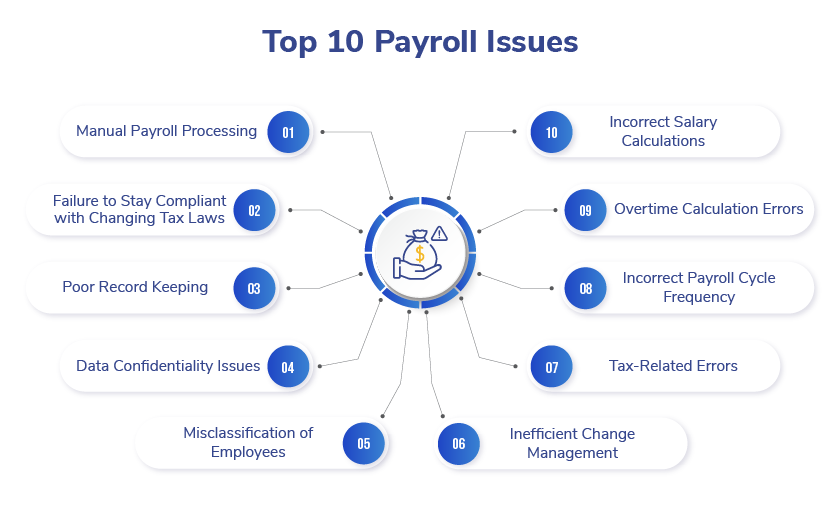
2. Manual Payroll Errors
Calculating wages, taxes, and superannuation manually is not only time-consuming but also error-prone. Incorrect payslips or late payments can affect employee trust and legal standing.
3. Data Management
Maintaining employee records, certifications, and contracts in spreadsheets or paper files can quickly become unmanageable and non-compliant.
4. Talent Acquisition & Retention
Attracting and retaining skilled workers in a competitive market requires efficient recruitment tools and employee engagement strategies.
5. Lack of Insights
Without proper analytics, it’s difficult to measure workforce performance, forecast hiring needs, or detect high turnover trends.
6. Distributed Workforce
With hybrid and remote work becoming the norm, businesses need HR systems that work across regions and allow employees to access services from anywhere.
HR software in Australia is designed to address all these pain points with automation, transparency, and legal alignment.
How to Manage a Company’s HR Department?
Managing an HR department effectively requires the right combination of people, processes, and technology. HR professionals in Australia must also stay current with local employment laws, diversity goals, and evolving employee expectations.
Key Strategies
1. Centralised HR Operations
Utilise HR software to blend all HR-related tasks in one unified platform. From onboarding to payroll and exit process, one dedicated portal has to be there for a streamlined workflow.
2. Clear HR Policies
Establish clear HR policies that align with Fair Work obligations. Documentation of leave entitlements, code of conduct, and all essential policies should be made accessible to the employees through a digital portal.
3. Automation
With automation, management can free up the time of HR teams and let them concentrate on success strategies. For instance, attendance logging, payslip calculation, and other monotonous tasks can be completed with the help of technology.
4. Employee Experience
When employees feel empowered, they’ll be more productive and loyal. Instead of micromanaging and restricting time-offs, it is important for the organisations to curate a strategy that works for employee empowerment. Implementing self-service systems, clear communication channels, and feedback loops are some of the steps where HR teams can utilise the help of HR software.
5. Compliance
Australian workplace regulations can change often. Choose HR software that updates compliance rules automatically and offers alerts on legal shifts.
6. Analytics
Analytics are becoming the core of every technology. With AI accelerating at a fast pace, organisations can prefer dashboards that evaluate staff performance. HR metrics such as absenteeism, attrition, and training completion can be tracked, and also give room for continuous improvement.
Wrapping Up
The need for automation has led many businesses to adopt HR software in Australia. With the right practices and technology, even small HR teams can run efficiently and create a positive workplace environment. It is all about investing in high-end people management systems.
DigiSME HRMS is an ideal choice for business owners in Australia who are aiming to initiate the digital transformation of business processes in their organisations.
